The Legacy Exhibit
CASE STUDY — CONNECTICUT SUN, FINAL SEASON
Turning an end-of-season awards push into a museum installation — and a 23-year franchise's last word in Connecticut into something fixed in the record before the move to Houston.
ROLE Creative Direction
SCOPE Brand concept, photo & VFX direction, on-set production, rollout
TIMELINE Aug – Sept 2026
TEAM 11 on set · 8 departments in rollout
I. The Occasion
2026 was the Connecticut Sun's last season in Connecticut. After 23 years in Uncasville under Mohegan Tribe ownership — the only Native American–owned franchise in professional sports — the team was relocating to Houston following the Fertitta family's acquisition and the WNBA Board of Governors' approval.
That gave the end-of-season awards cycle a weight beyond the usual campaign push for Most Improved Player, All-Defensive Team, and All-Rookie Team. It was the last time any Sun player's case would be made from Connecticut. The brief couldn't be a farewell tour — nostalgia reads as an ending, and the franchise wasn't ending, just leaving. It needed to read as a closing argument: proof, filed permanently, of what happened here.
Whatever happens to the franchise's zip code, what these players did here, this year, is fixed in the record. | WORKING THESIS, CREATIVE BRIEF V1
II. The Idea
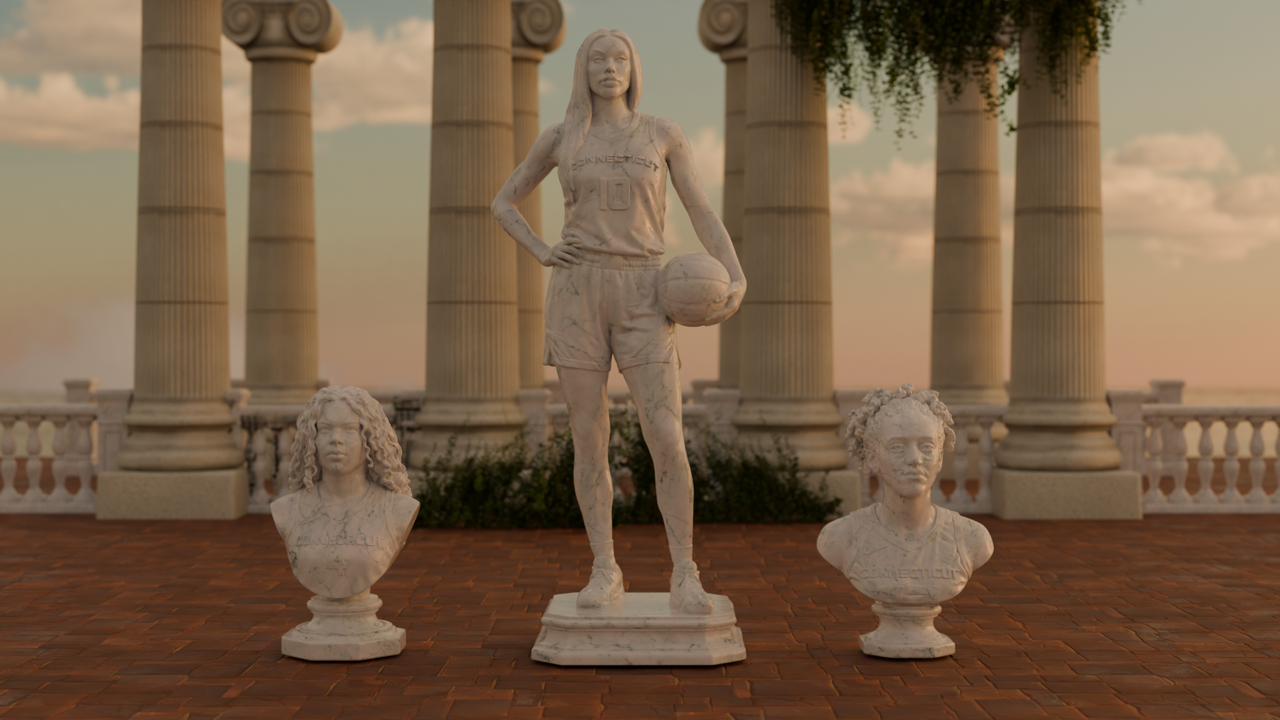
The concept: treat the three award cases as exhibits in a museum — The Legacy Exhibit — where each player's season is curated and preserved before the doors close on the Connecticut era. Stats become artifacts. Game film becomes archival footage. Voting media become the exhibit's first visitors.
The tone had to sit closer to a hall-of-fame induction than a eulogy — reverent, not sentimental. No farewell, no final, no exclamation points. Connecticut wasn't losing this legacy; it was the last place it happened, and that was worth enshrining rather than mourning.
Everything downstream — typography, lighting, wardrobe, even the gift boxes sent to voting media — had to hold that one line: before the Sun sets on Connecticut, one thing is certain: this is where it happened.
III. The Exhibits
Three players, three award categories, one uneven production reality: the budget supported a full photo and VFX treatment for one hero exhibit, with the other two carried by 3D render work and graphic design alone. The exhibit system was built to make that asymmetry look intentional rather than like a budget shortfall — a main hall and two supporting galleries, not a hero and two afterthoughts.
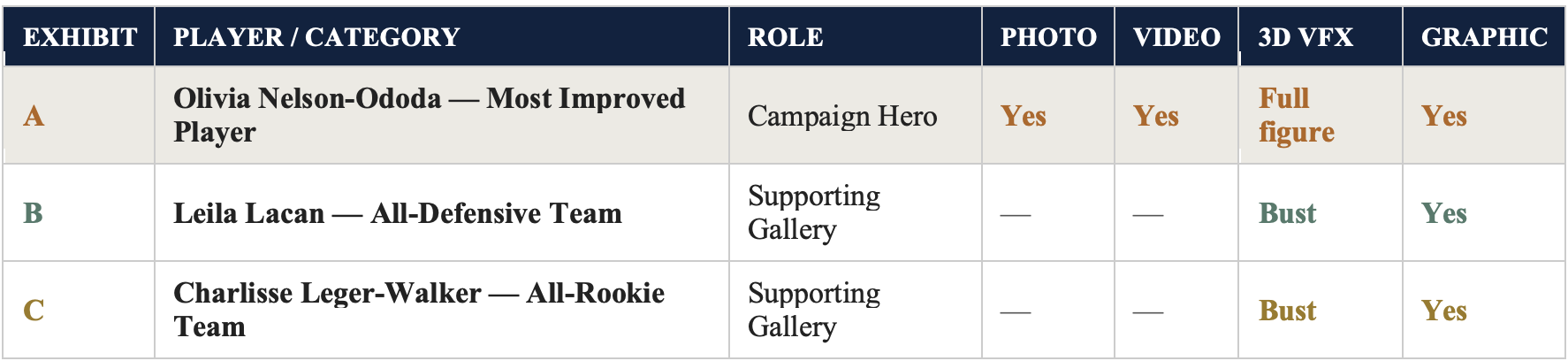
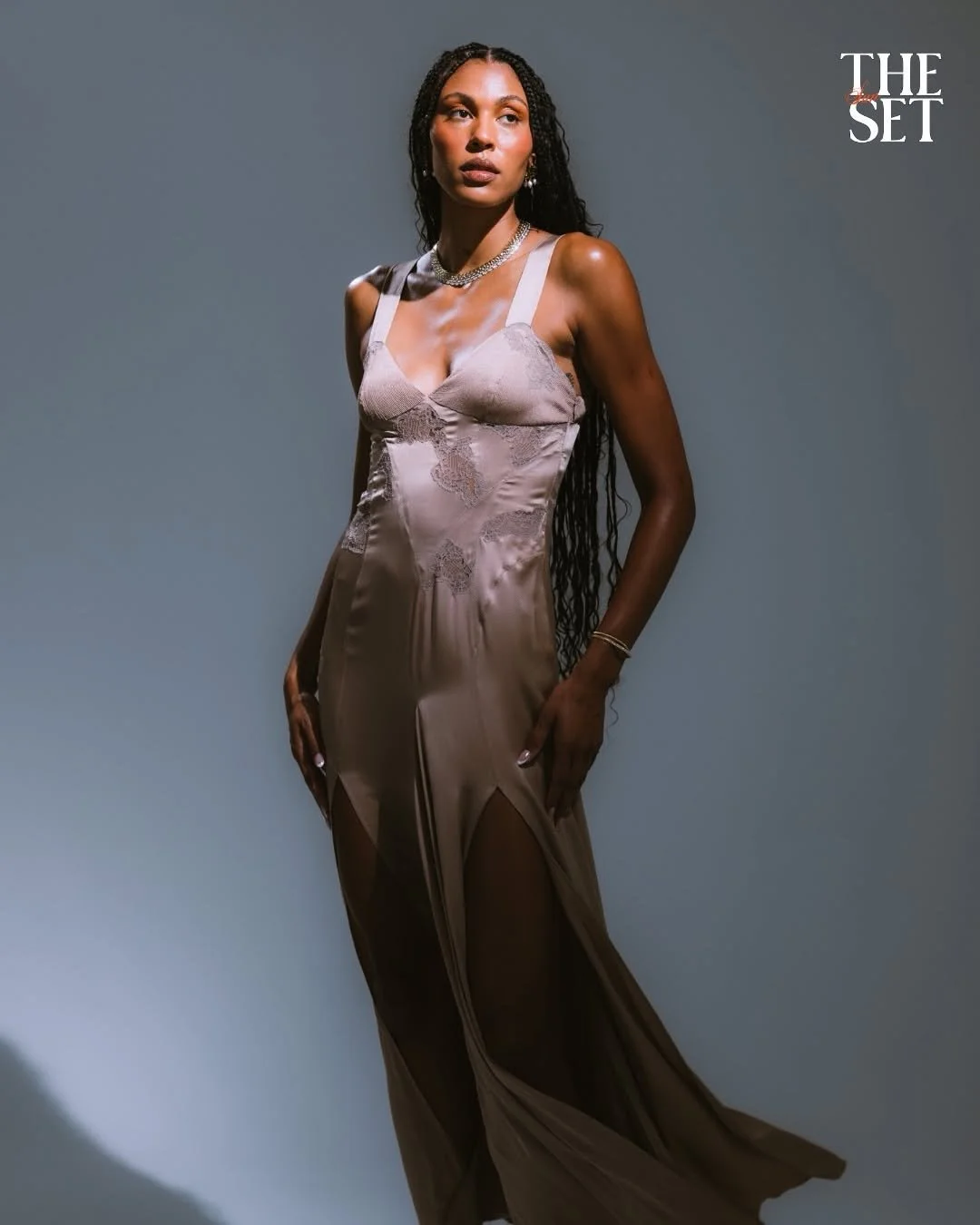
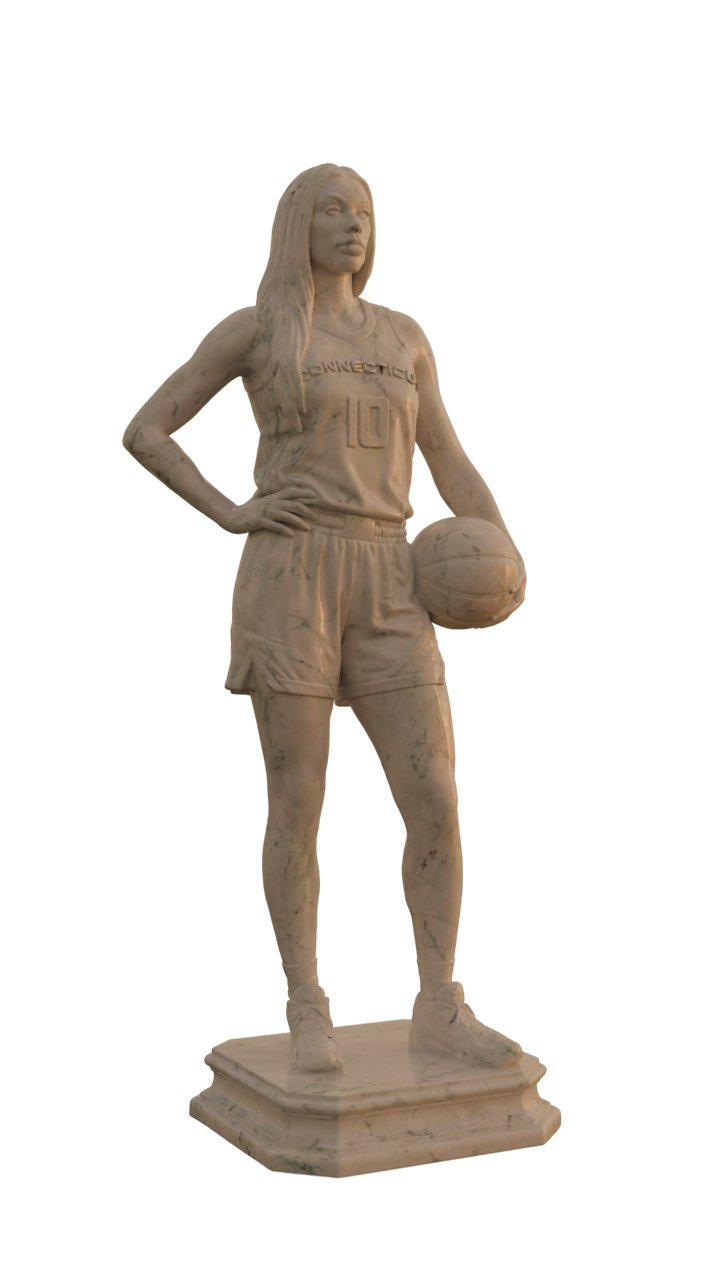
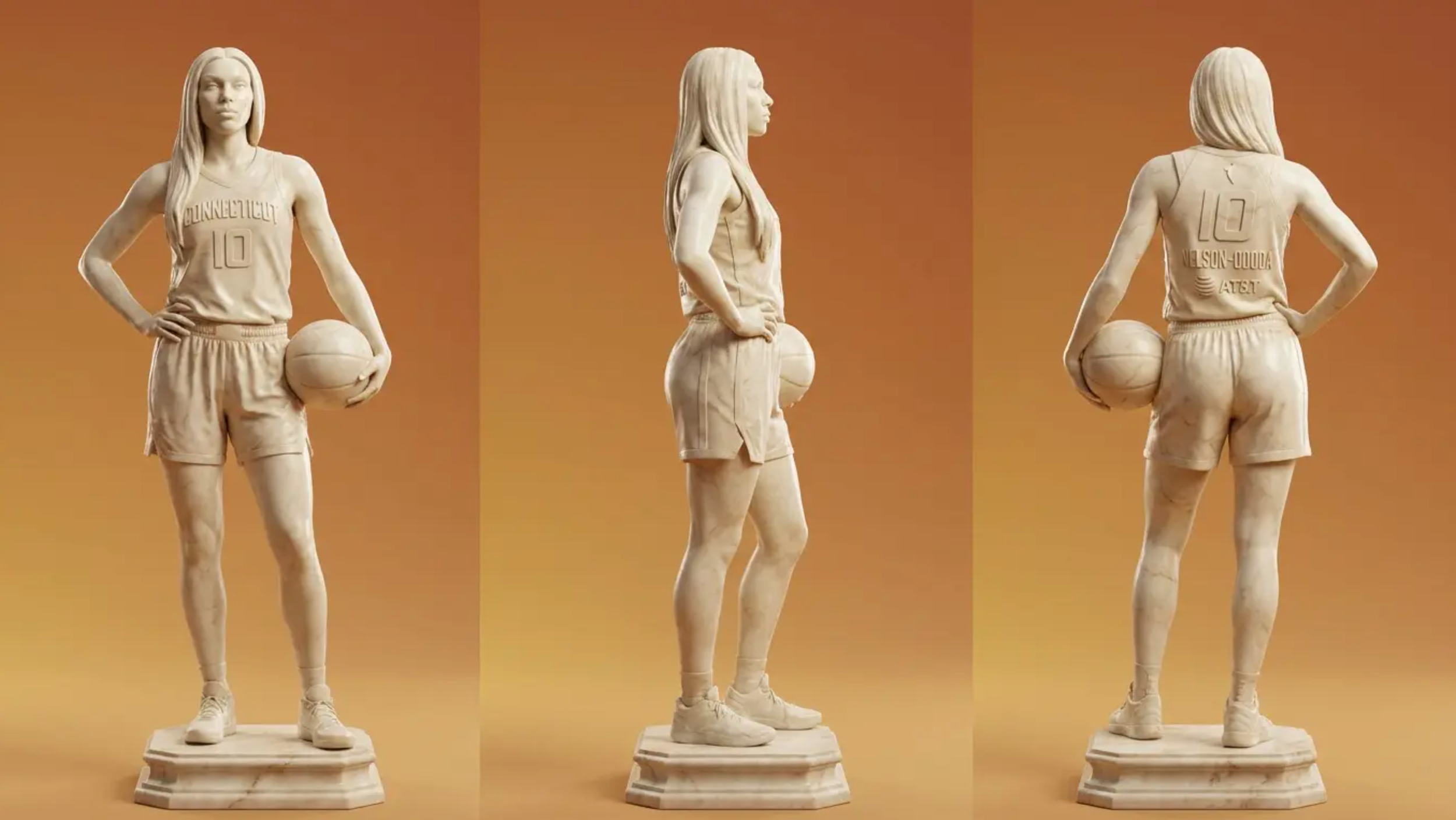
Exhibit A: the season's clearest before/after story, and the only exhibit built around original photography — a dedicated studio shoot, supplementary video, and a full 3D VFX statue render.
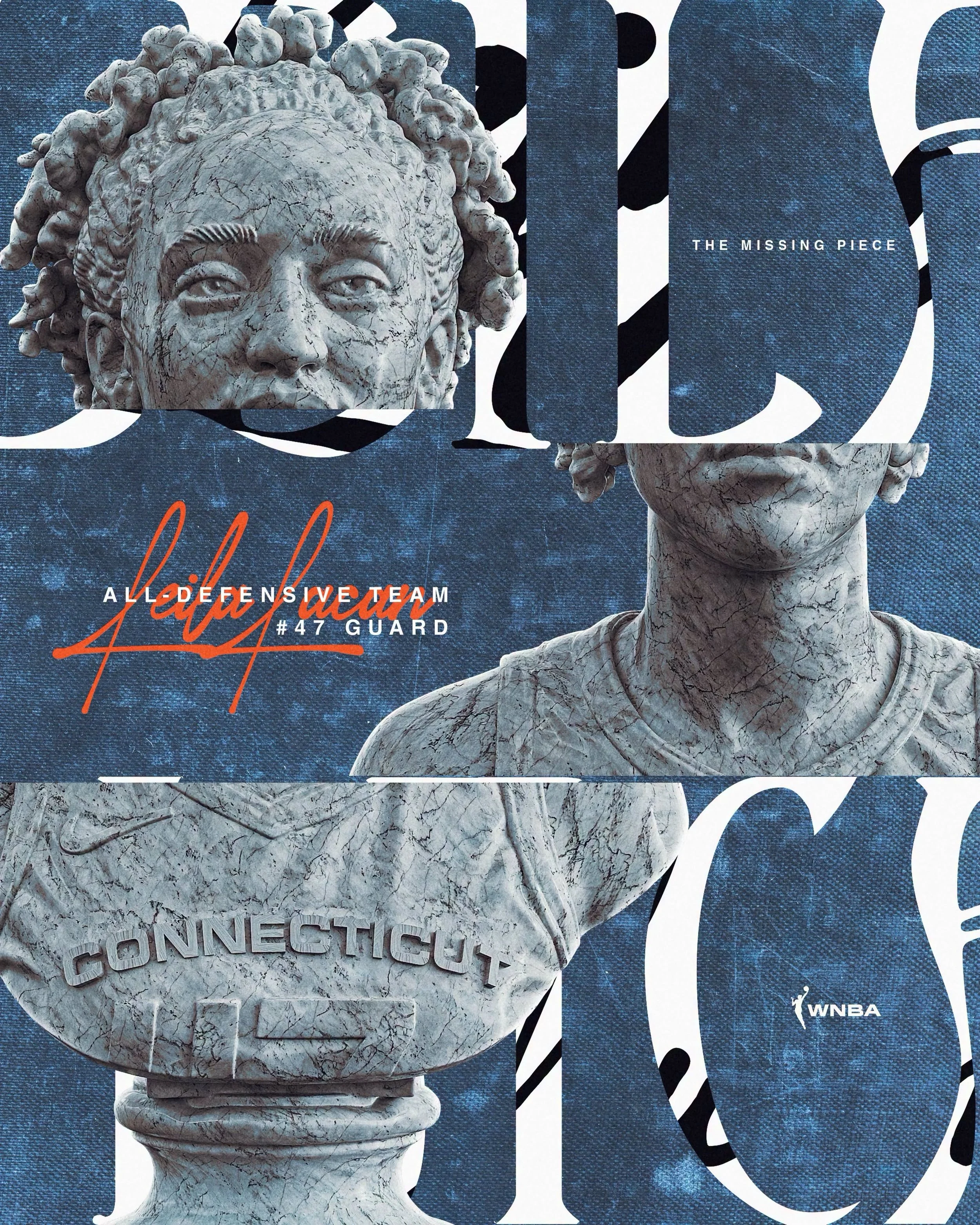
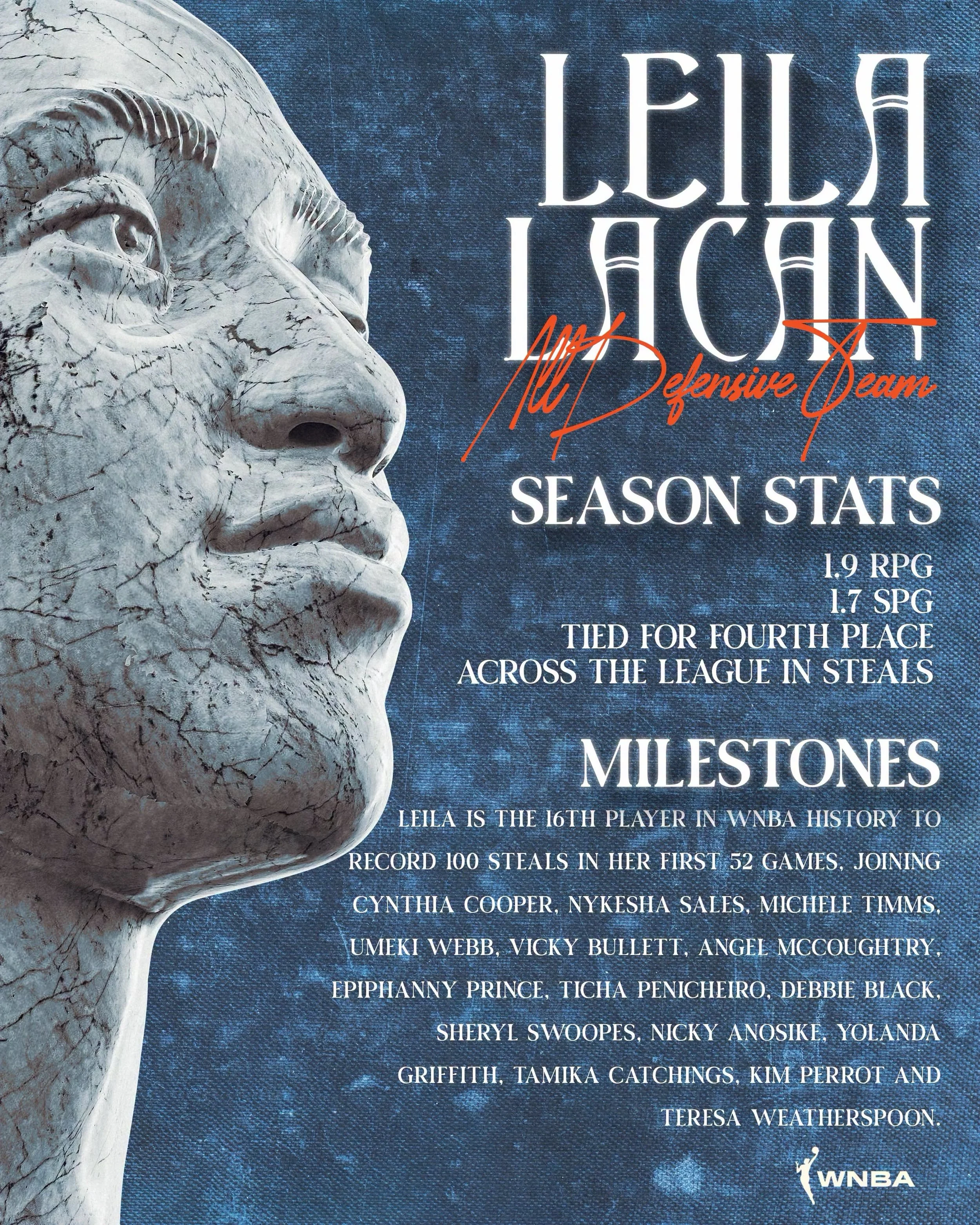
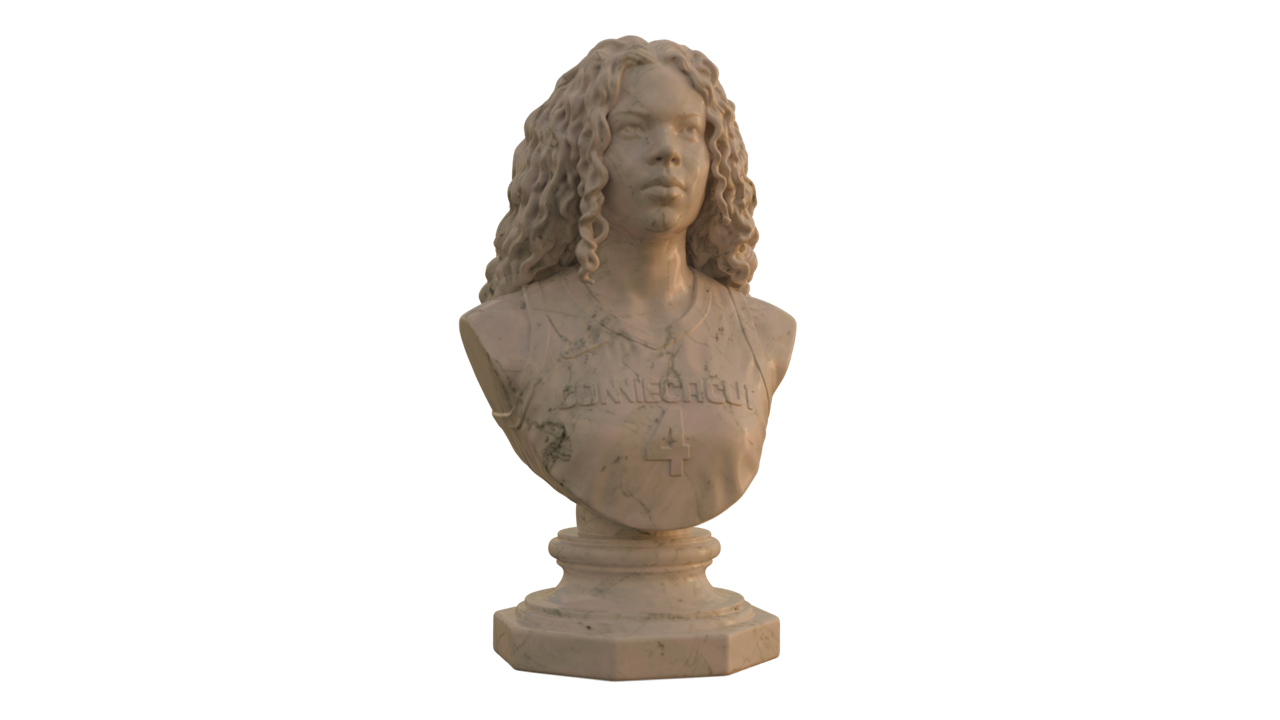
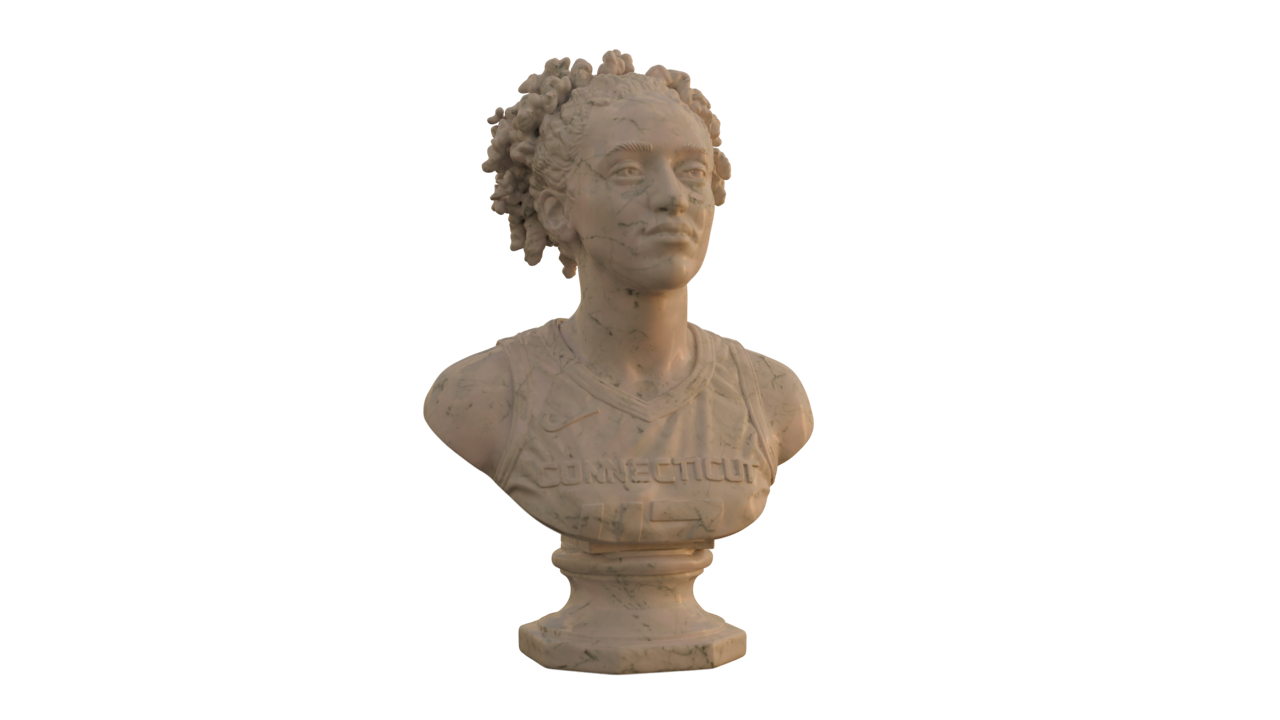
Exhibit B: a two-way guard's case, carried entirely by stats-driven key art and a 3D render bust — no studio day, built to stand on its own next to the hero exhibit rather than read as the lesser version of it.
Exhibit C: a second-round find's breakout case, built the same way as Exhibit B — the “found value” rookie story told through stat placards and render work rather than a photo narrative.
IV. Building It
The production plan had to fit a $10,000 budget against a VFX proposal that came in $1,800 over it. Rather than cut the render — the longest lead-time item and the thing the other two exhibits depended on entirely — the fix was renegotiating the vendor quote and scaling the photography rate instead.
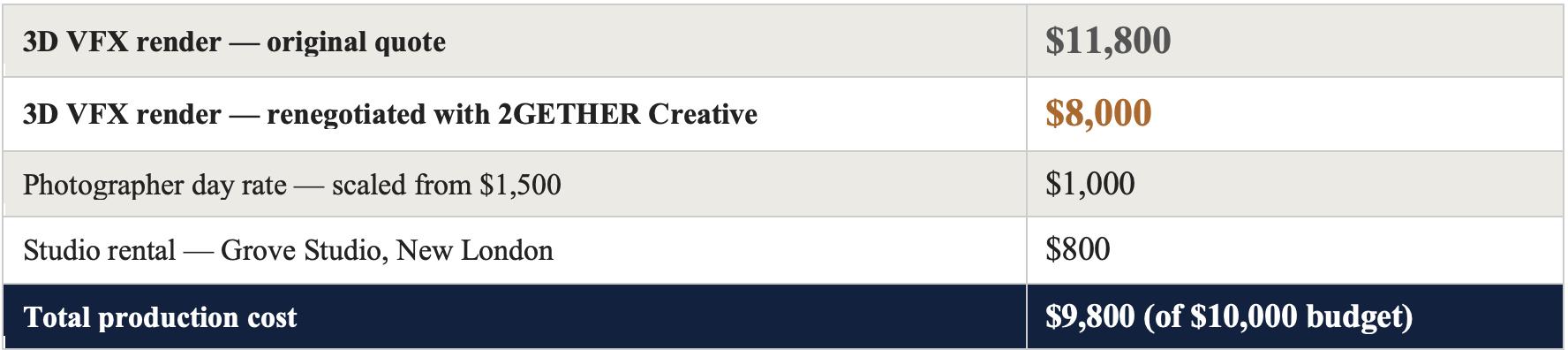
Exhibit A's shoot ran one day — Tuesday, September 8, at Grove Studio in New London — with no access to the statues or museum architecture the campaign's own reference imagery was built from. That constraint set the brief: shoot a high-contrast studio portrait that could carry the museum language through lighting, wardrobe, and post, rather than through a literal set.
Eleven people had a defined role on set — photographer, two video crews (creative/interview and behind-the-scenes), wardrobe, hair and makeup, jewelry, a graphic designer doubling as photo assistant, PR/communications running the interview and talent check-ins, an assistant director, and a social media team with a brief built specifically so its coverage never duplicated the BTS videographer's. Every one of them worked under embargo: nothing from the shoot could surface before the September 14 launch.
V. The Rollout
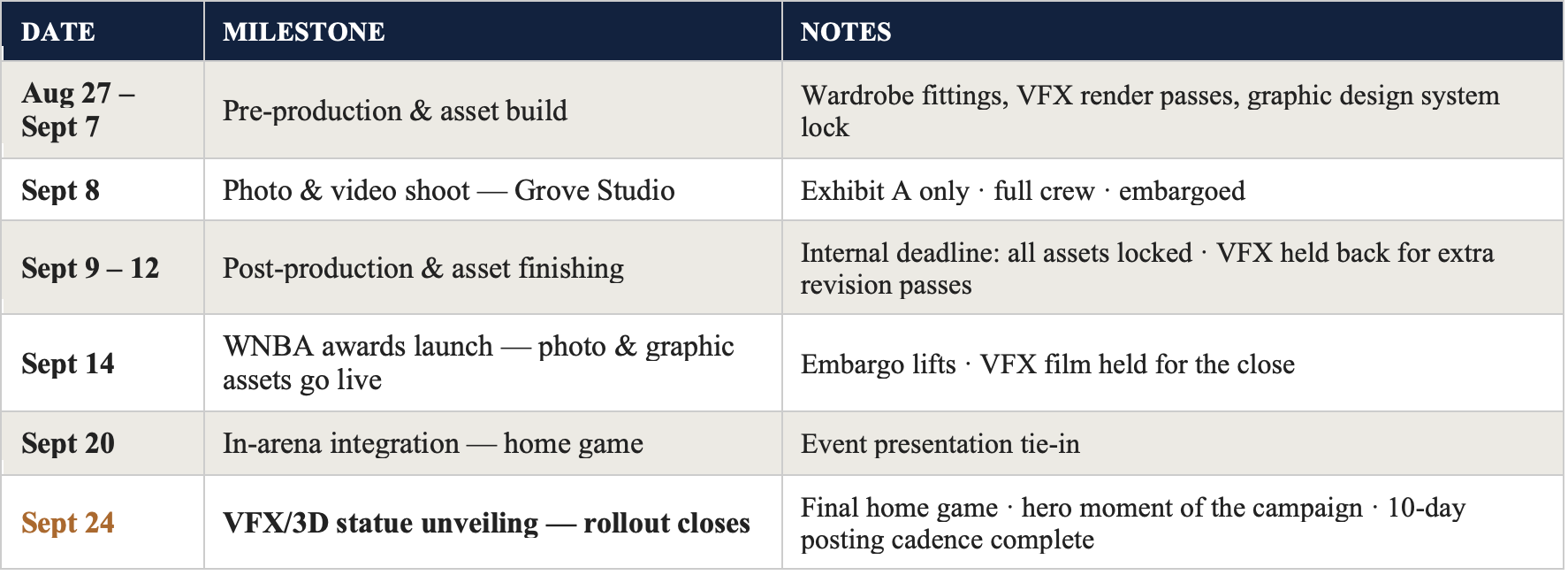
Production and release were deliberately separated by the WNBA's own awards calendar: a hard internal deadline of September 12 for finished assets, against a league launch date of September 14 that the campaign couldn't move and couldn't miss.
Where the VFX film sat inside that window changed mid-plan. The original sequencing led with it — the most expensive, longest-lead asset opening the campaign on launch day, the standard play. That got reversed: the render moved from the opener to the closer.
Sequencing — revised mid-plan

The move did two things at once. It bought the render extra time inside the production window for leadership review and revision passes — the frame-by-frame notes a finished 3D piece needs before anyone outside the building sees it — without borrowing time from the photo and graphic assets earlier in the cadence. And it changed the film's job: instead of kicking the campaign off, it became the payoff the ten-day run built toward — the statues' unveiling at the close of the exhibit, not the opening pitch for it.
Production & Release Timeline
The social cadence borrowed its shape from the Buccaneers' Baker Mayfield signing rollout — nine recurring asset types built around one hero subject — adapted for three athletes carrying unequal production weight. Exhibit A got the full nine-asset treatment; Exhibits B and C each got a three-asset adaptation built entirely from stats and render work, plus four assets shared across all three. Sixteen assets in total, across nine asset types, over the ten-day run from September 14 to 24.
Asset Cadence
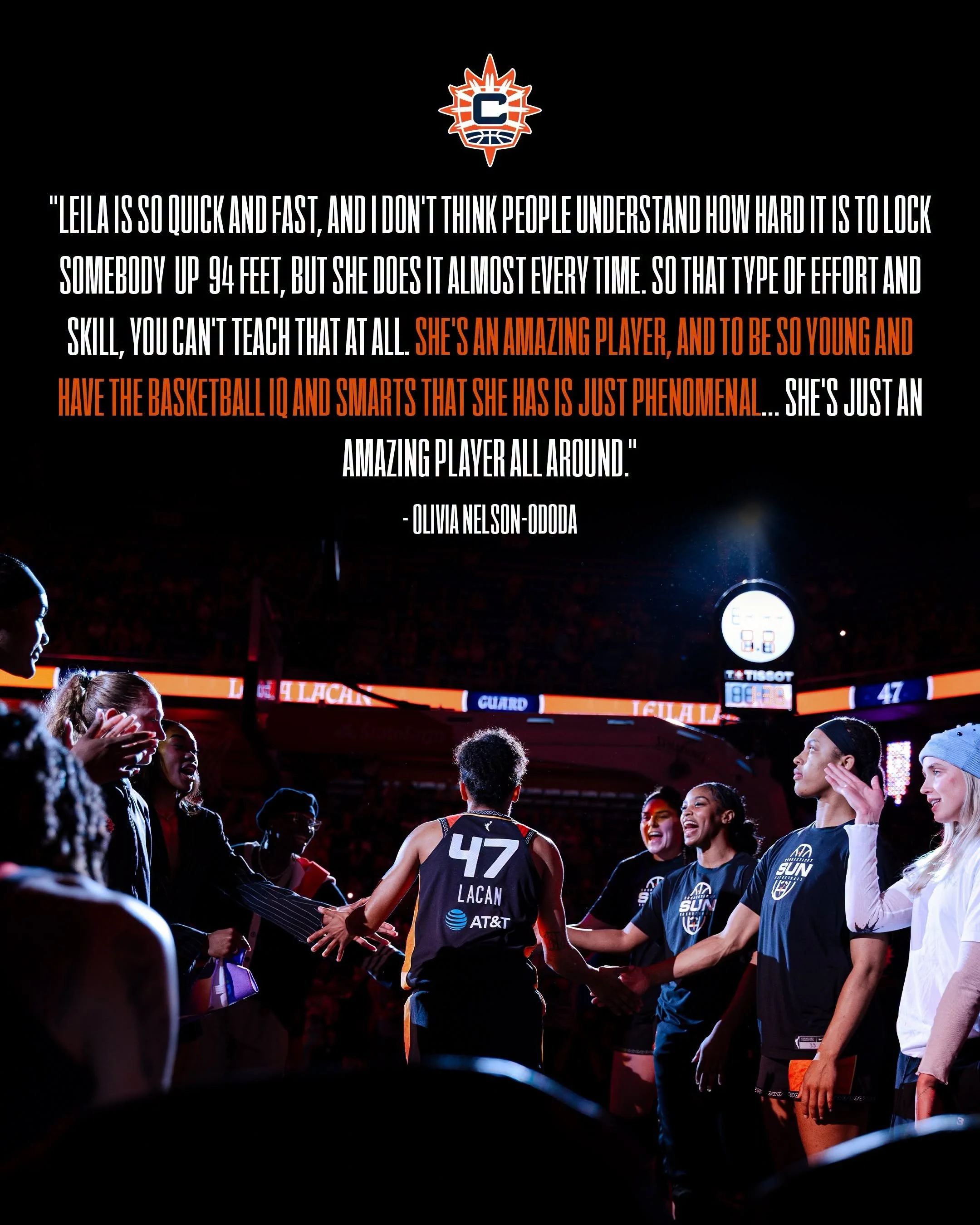
● Exhibit A — full cadence: hero launch graphic · leadership quote graphic · short-form video · photo pack + quote treatment · standard photo pack · top-plays video carousel
● Exhibits B / C — adapted: stat-led launch graphic · top-plays video carousel · standard render/photo pack
● Shared across all three: campaign lockup reveal · countdown sequence · two collaboration posts · fan UGC prompt
VI. What It Produced
The campaign ran its full window from September 14 through 24, including both final home games in Connecticut. League award announcements and full post-launch reporting land after this write-up — the figures below are reserved for them rather than estimated.
● Award outcomes — pending league announcement
● Social reach — pending post-campaign reporting
● Press pickup — pending post-campaign reporting
● Media gift response — pending post-campaign reporting
Notes
The hardest part of this one wasn't the concept — the museum framing came together early and held for the whole campaign. It was holding that concept together across an uneven budget without the gap showing: one athlete getting a full shoot and two getting render work only, on a system built to read as three deliberate exhibits rather than one hero and two leftovers. The scope matrix and the shared asset tier did that work quietly, so the asymmetry reads as curation, not compromise.
It's also a campaign built to outlast its own launch window. The franchise moves to Houston in 2027; The Legacy Exhibit was built so that whatever the Sun becomes next, this season's record stays exactly where it happened.
Campaign Gallery
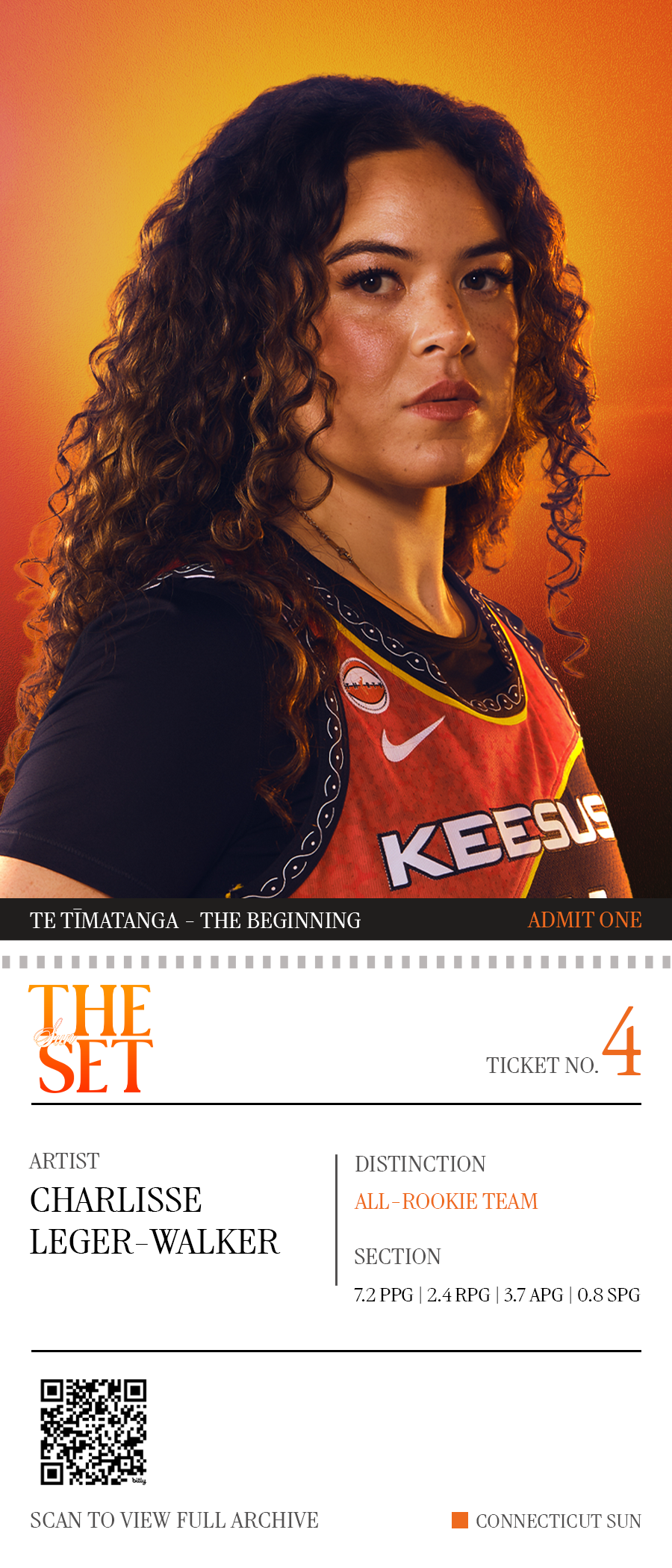
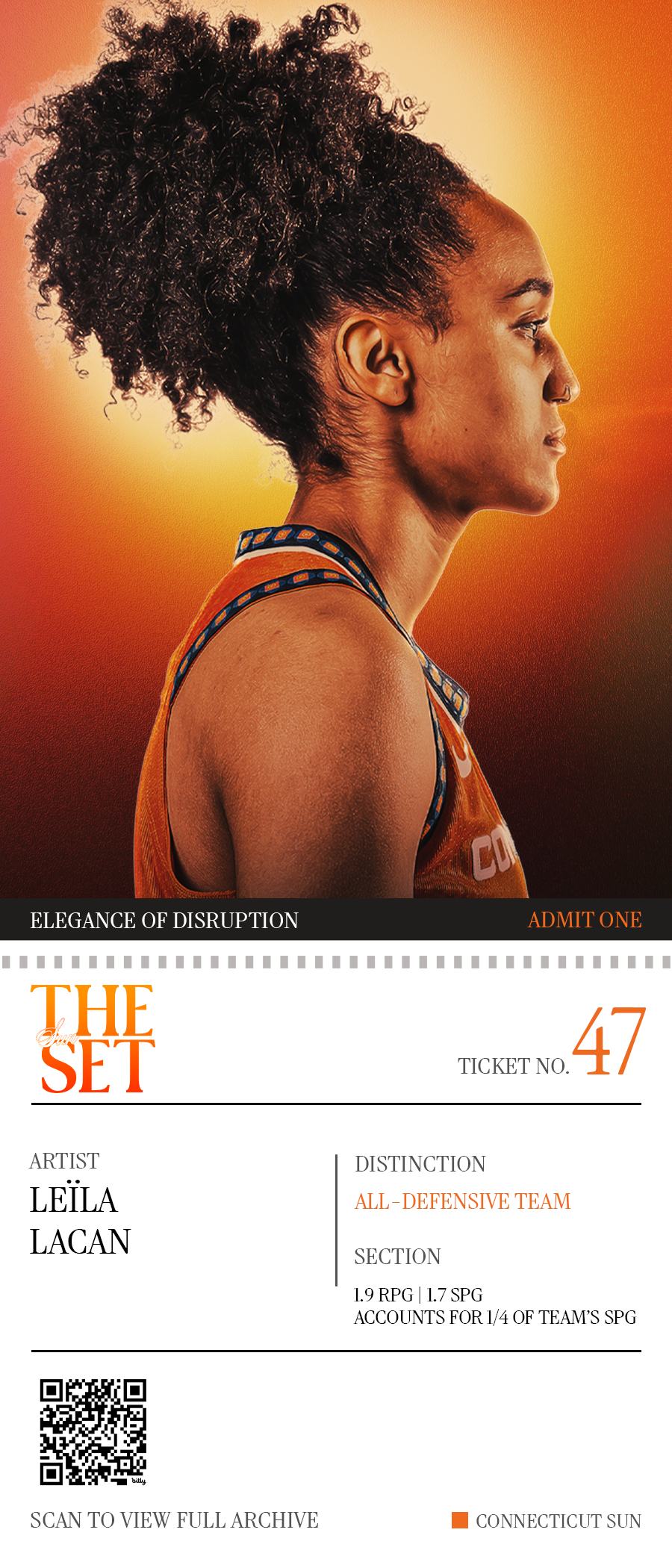
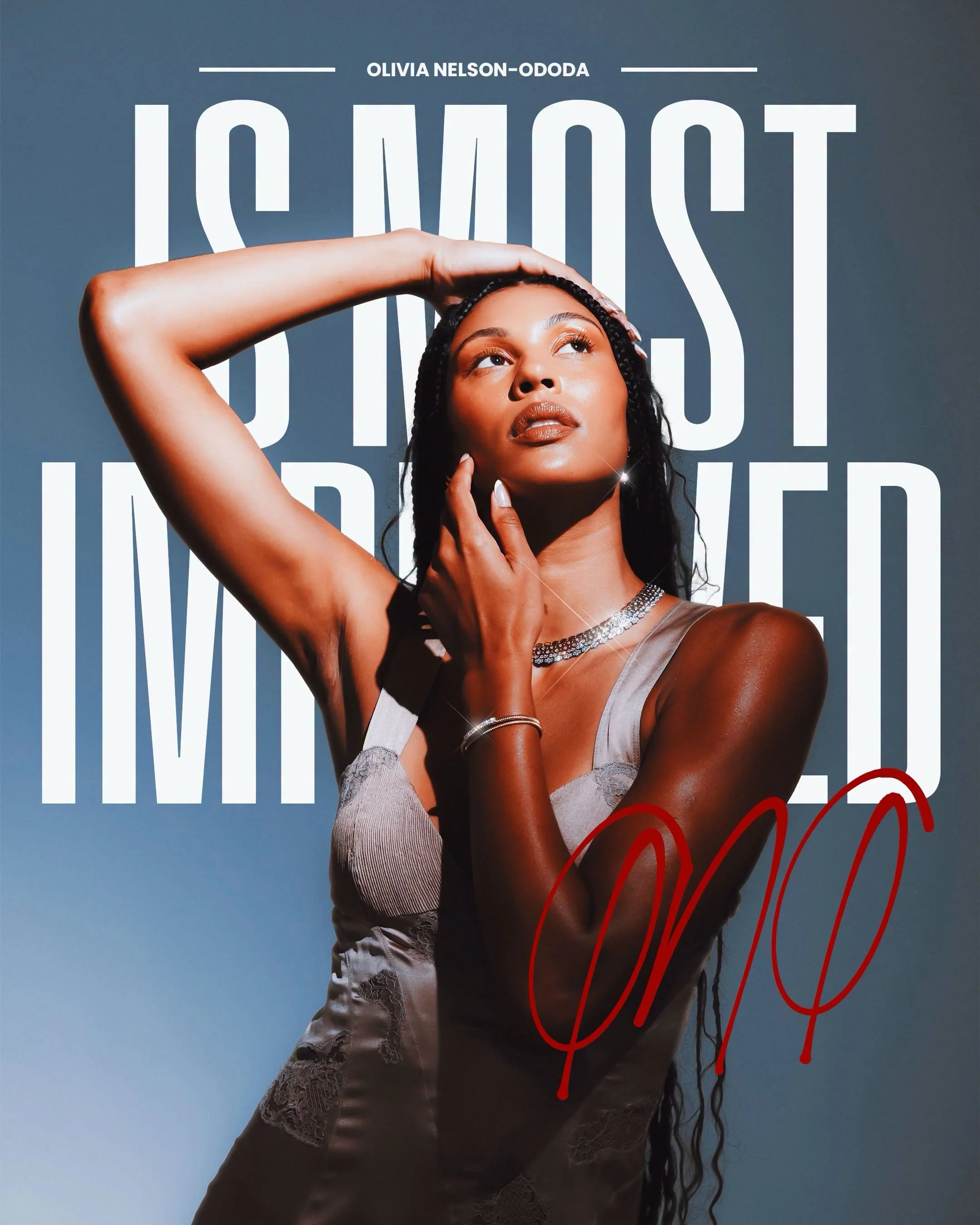
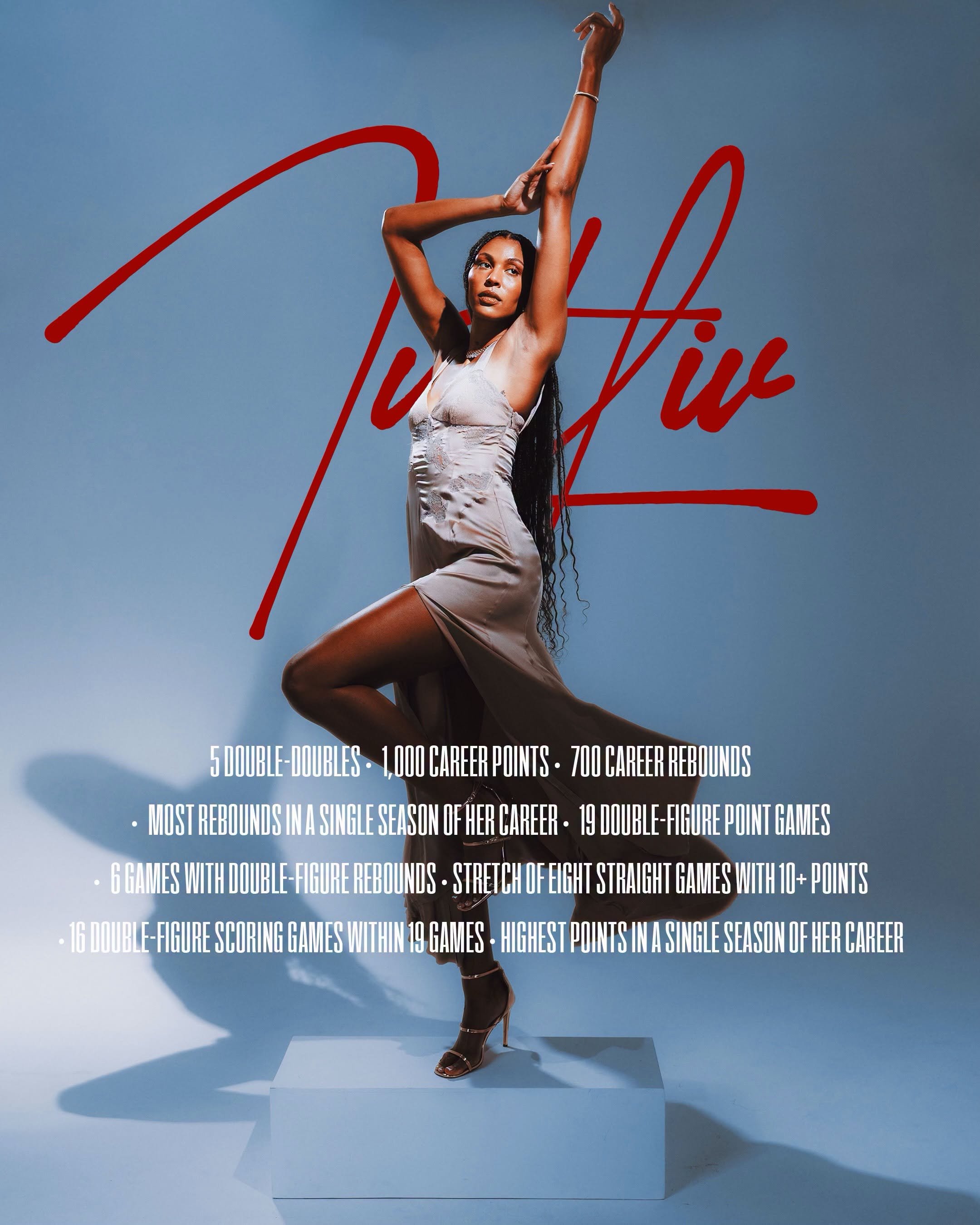
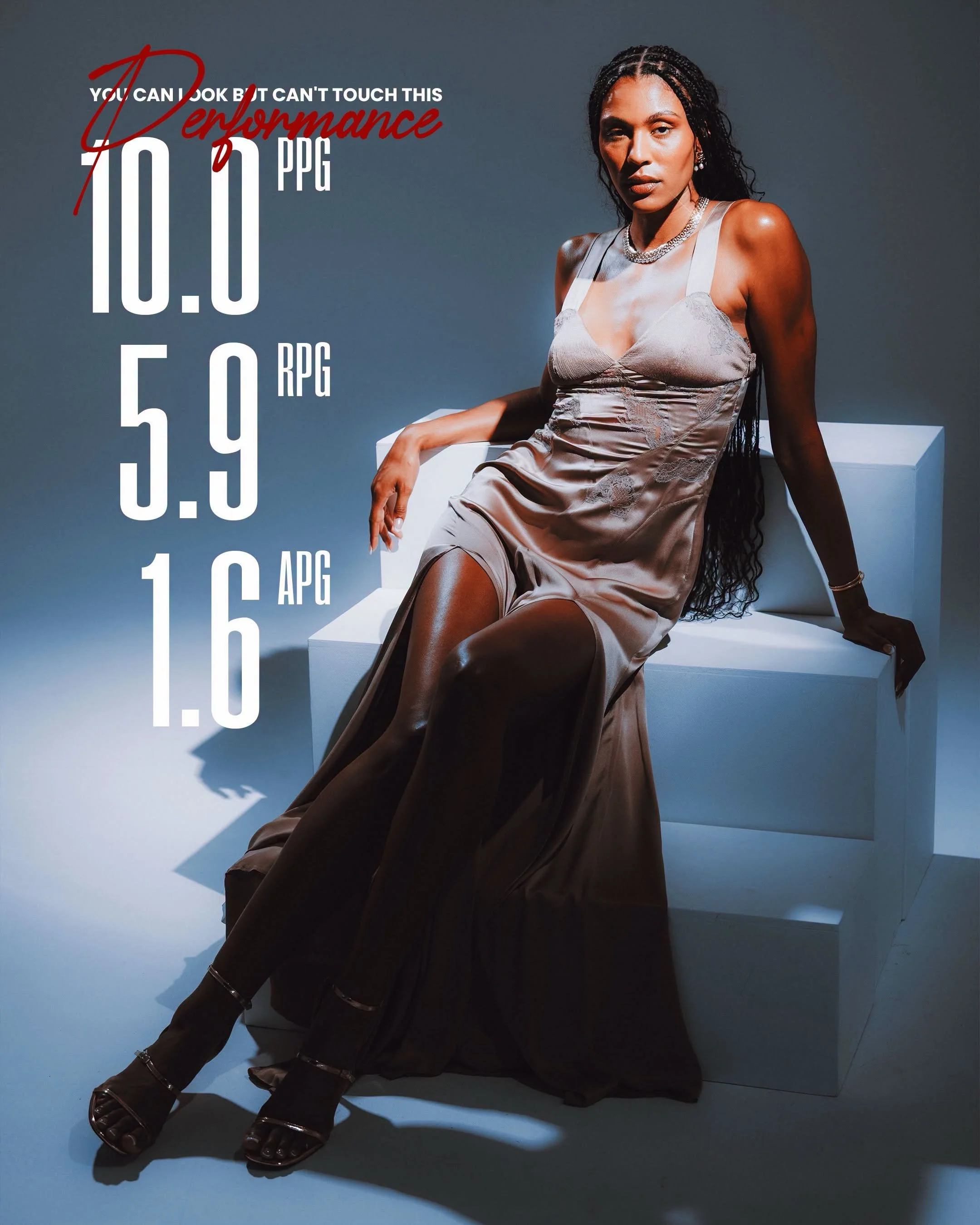
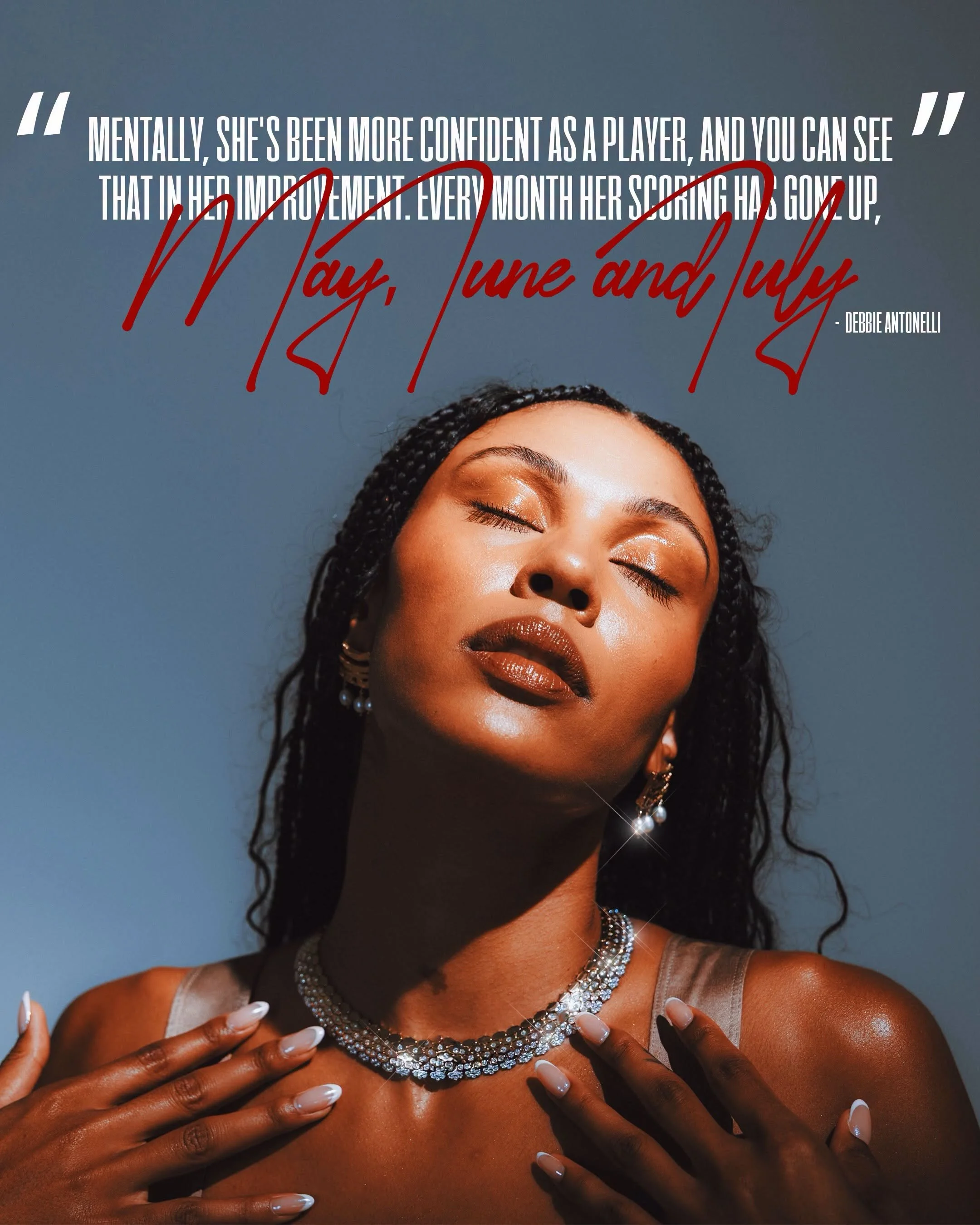
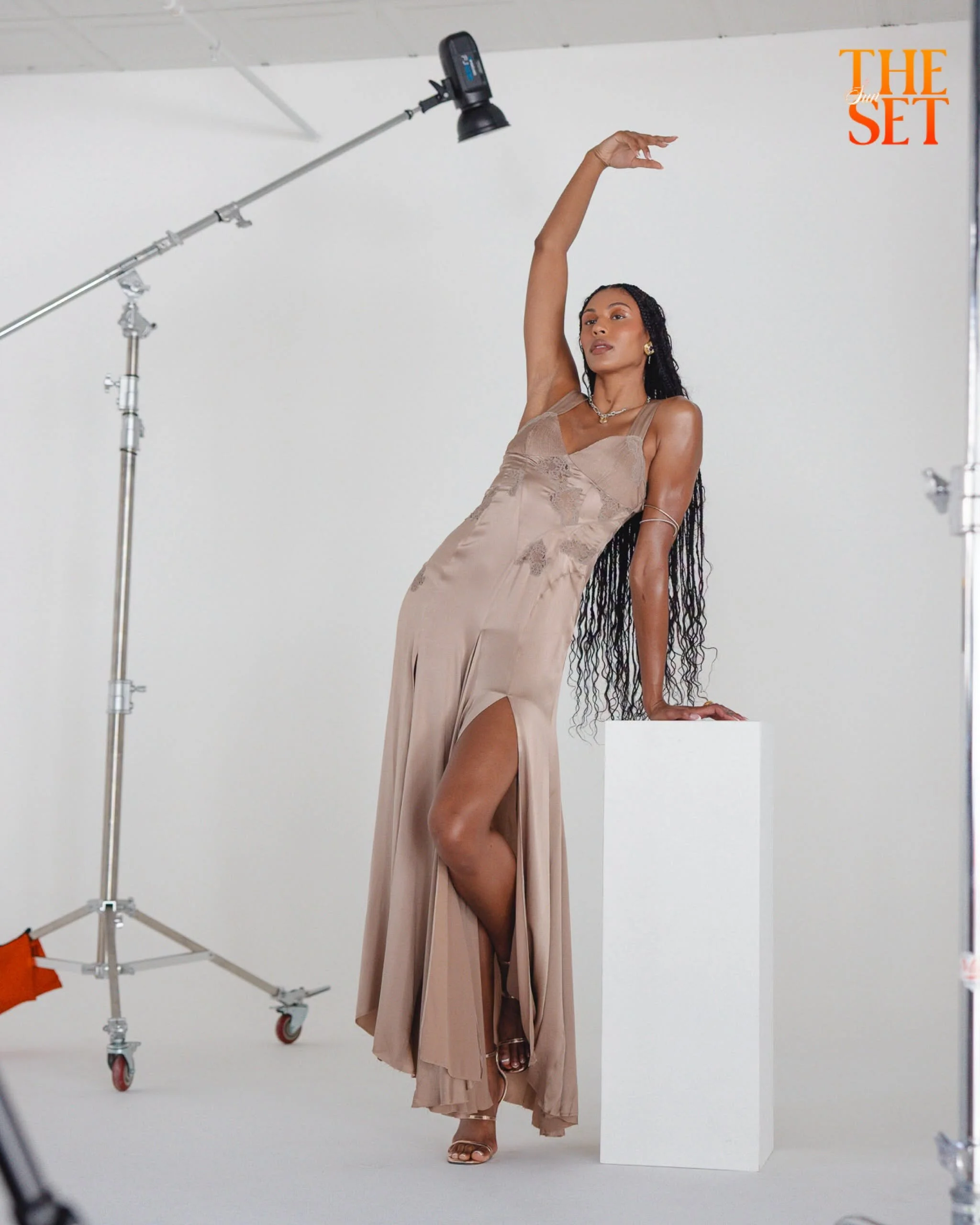
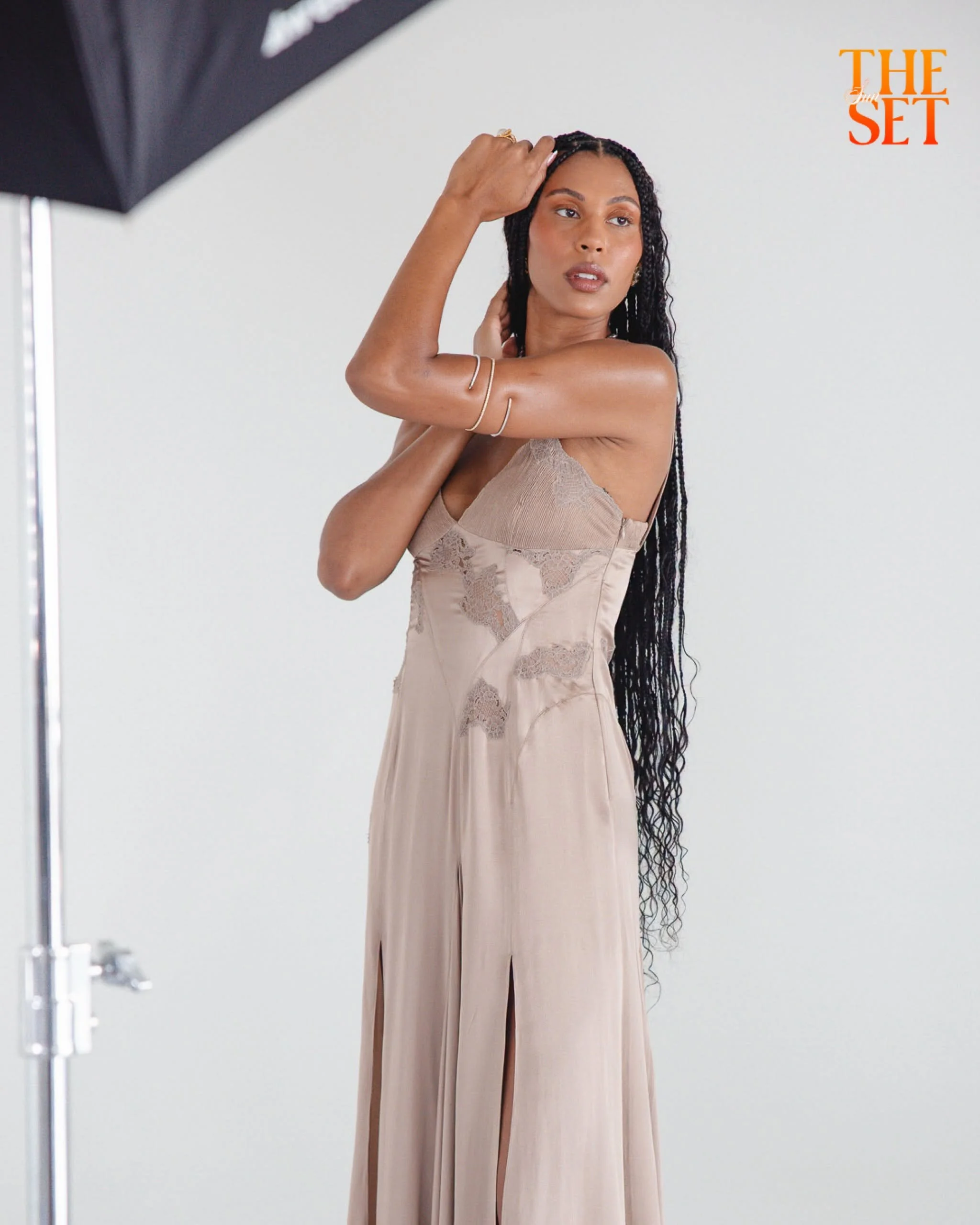
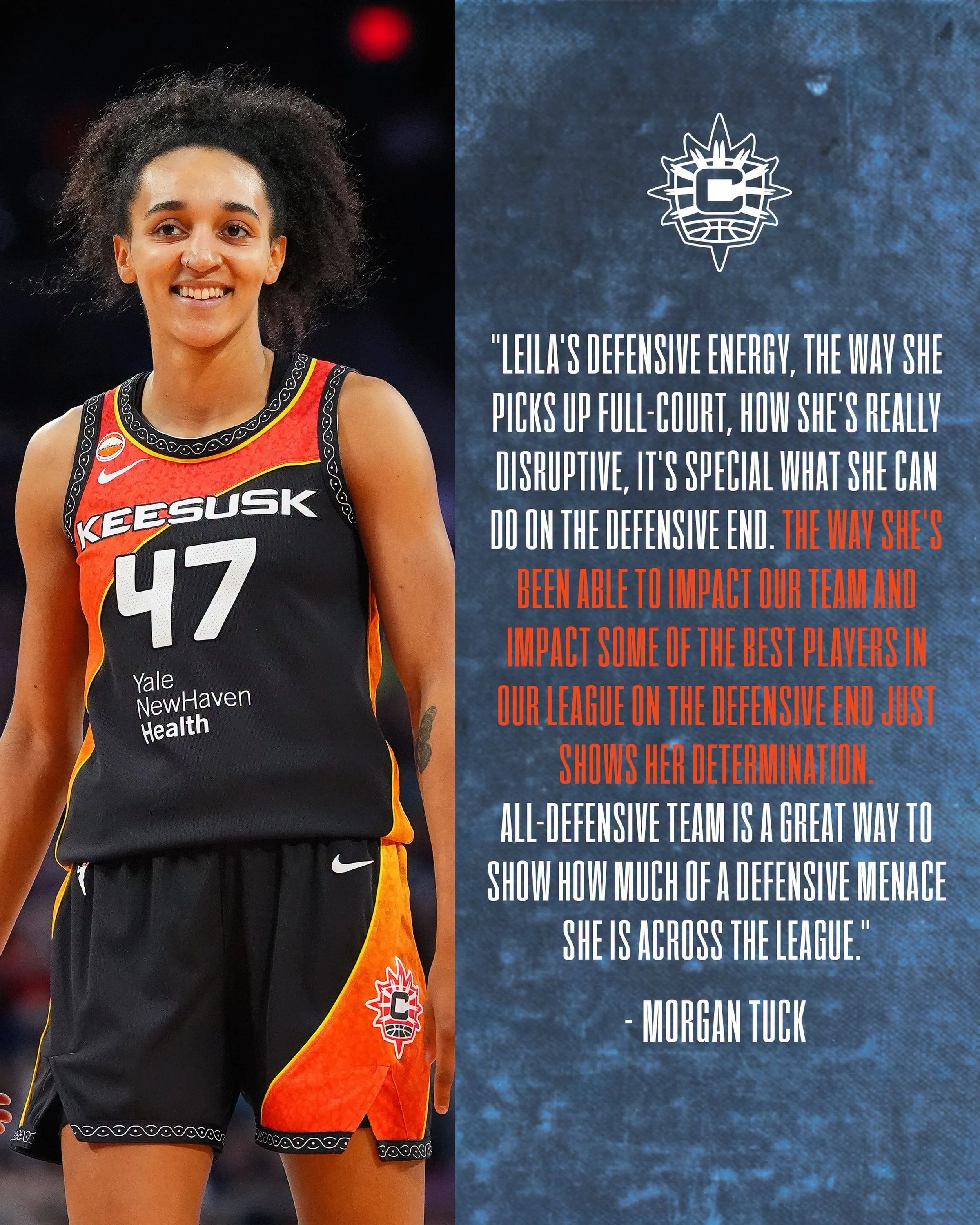
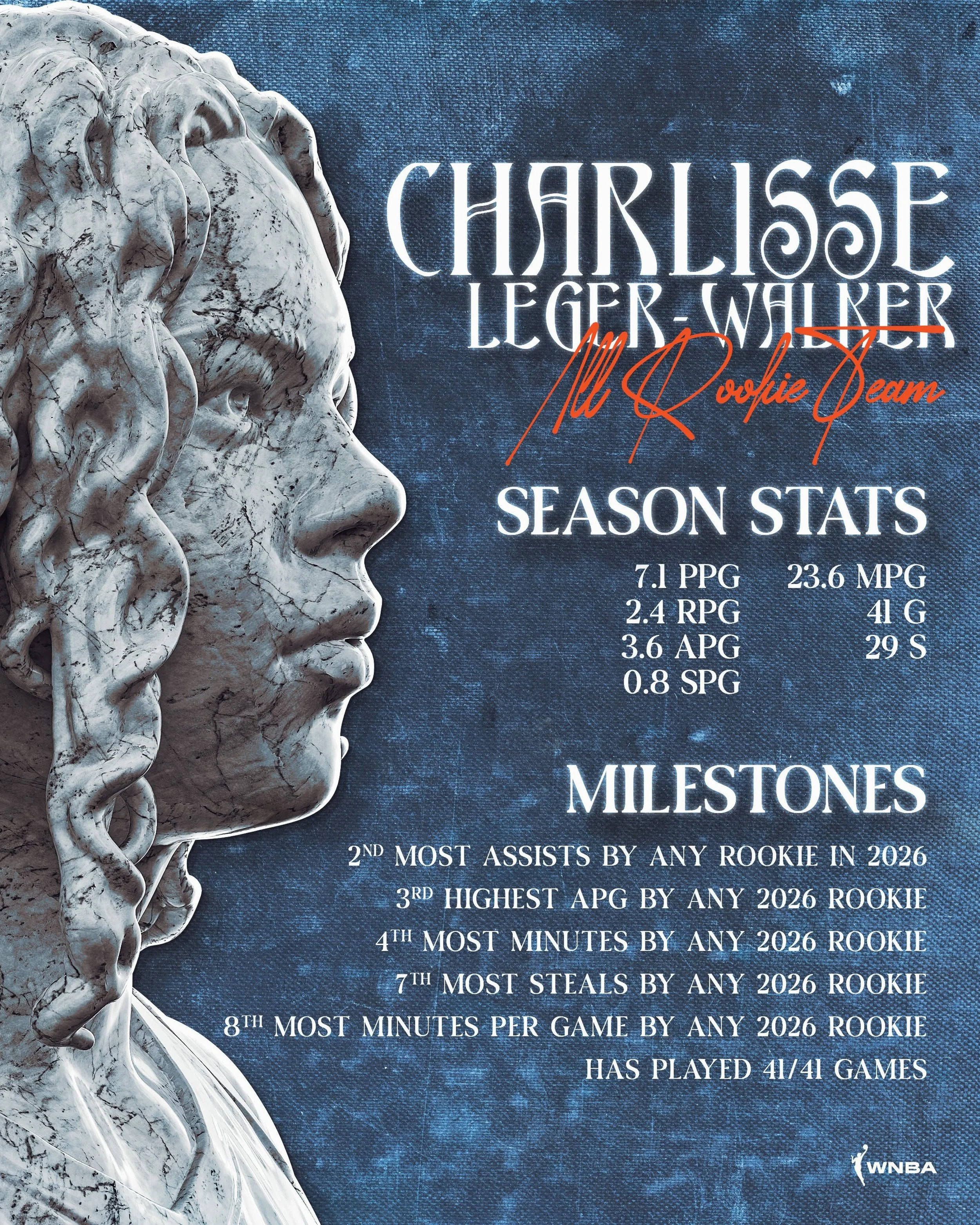
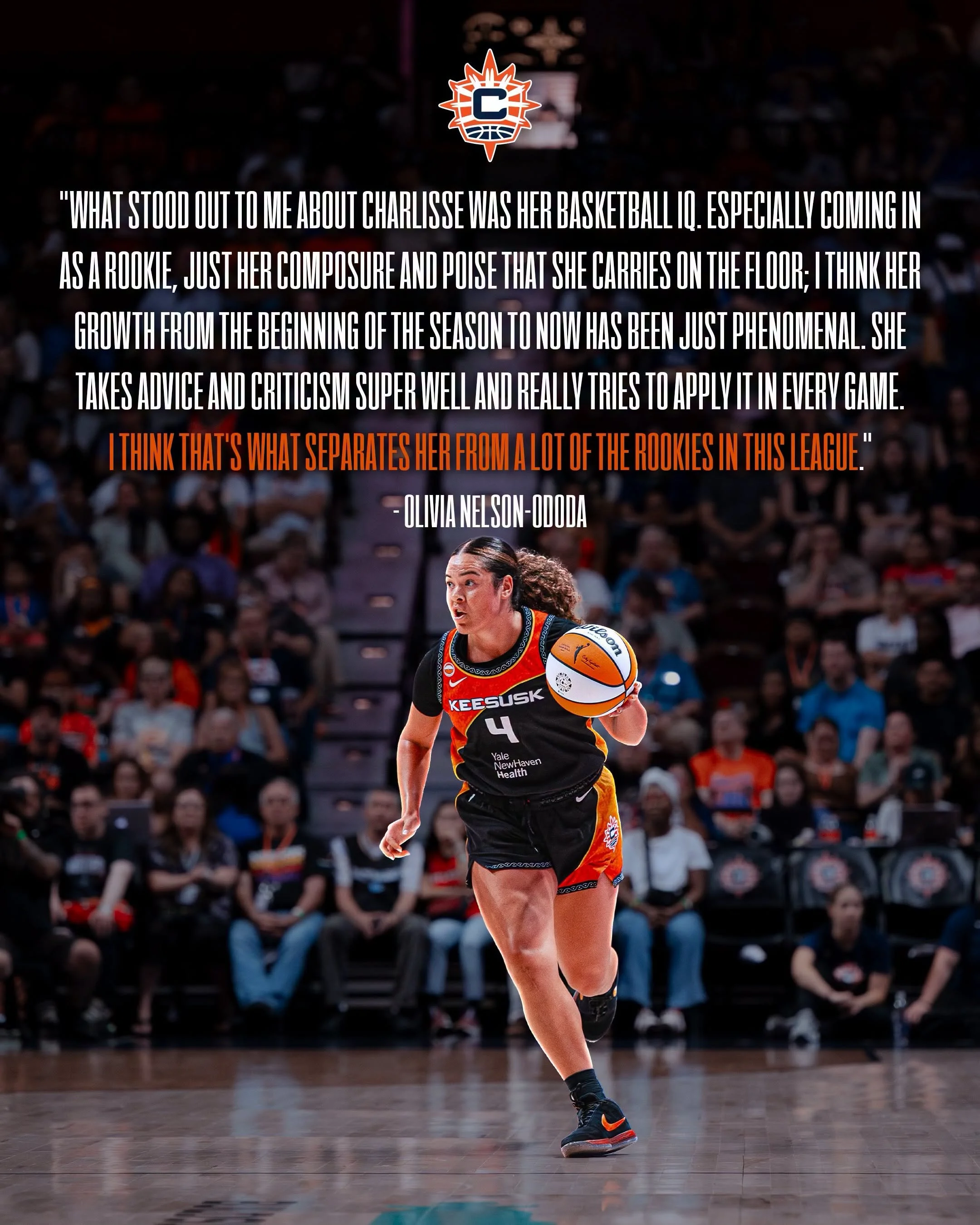
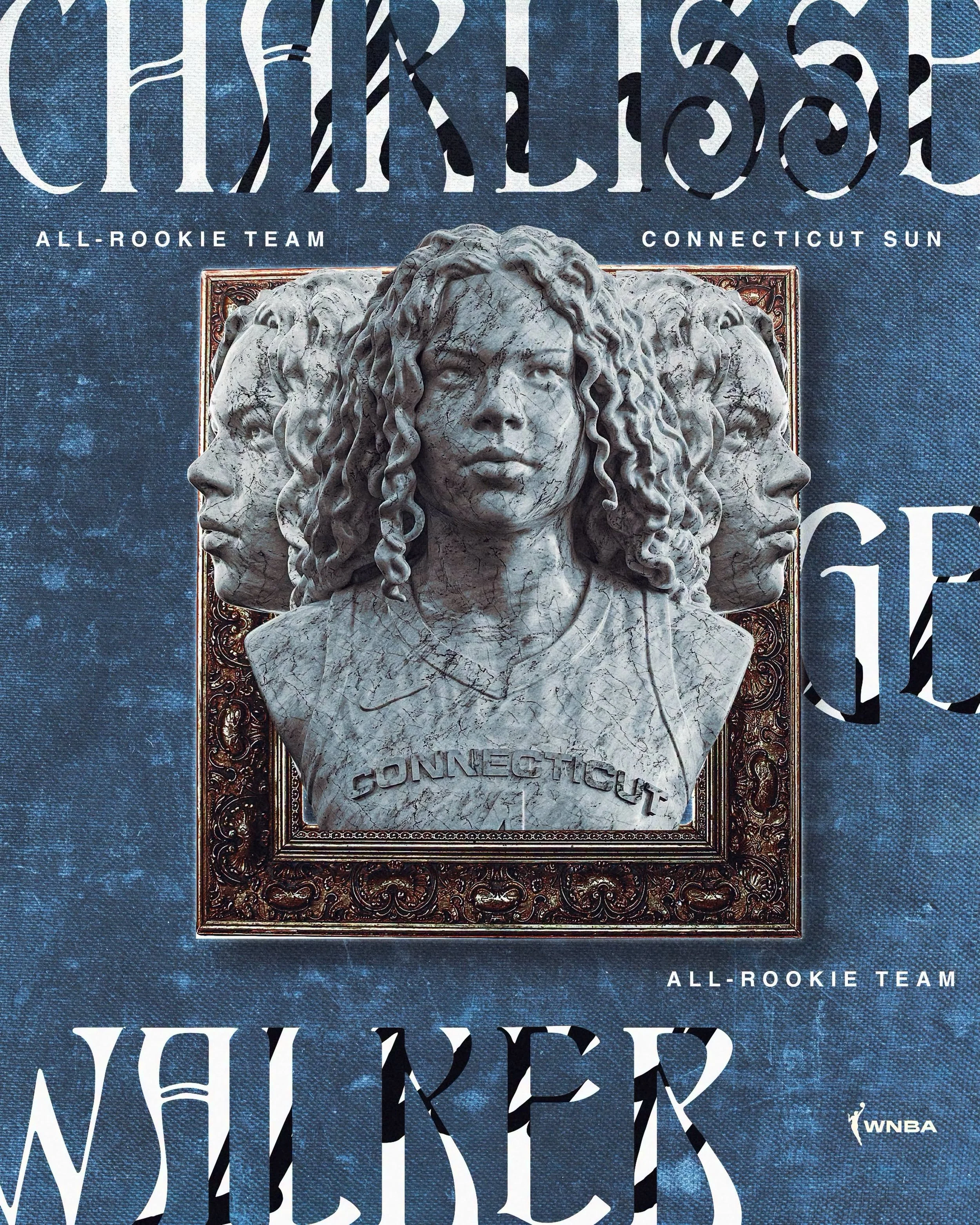
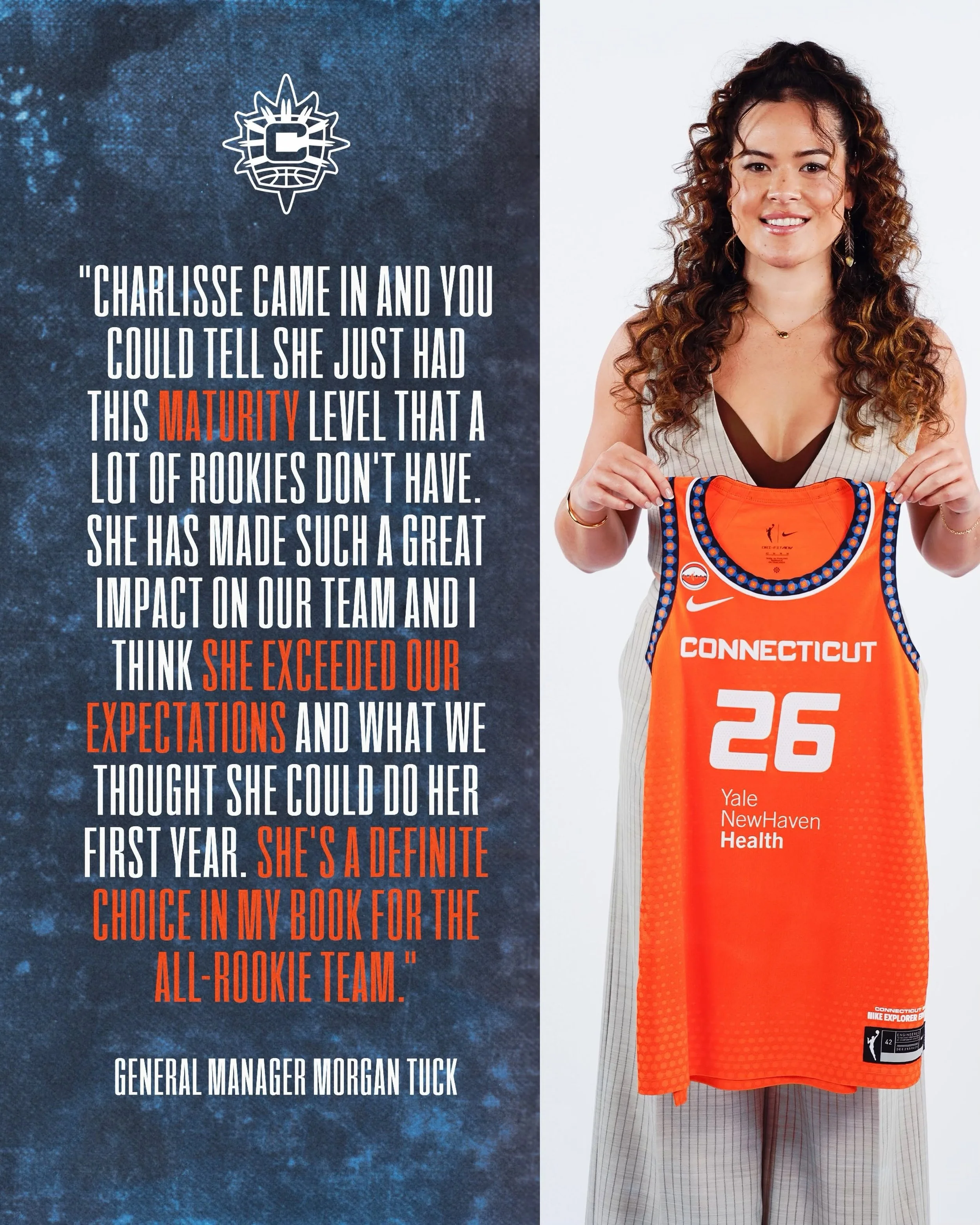
Graphics via Hakiel Hemans and Asia McMillan
3D Renderings - 2Gether Creative
Credits
Creative Director/Executive Producer - Asia McMillan
Overall creative direction and final call on every shot; directing/overseeing photography and video for look, pose, and coverage across all setups.
Producer - Alexandra Maund
PR/Communications - Asia Horton/Ro Layne
Conducting the on-camera interview (questions/talent direction); checking in with Olivia to confirm she’s comfortable and supported.
Art Direction/Graphic Designer - Hakiel Hemans
Assisting Chris on stills; provides shot list and leads the graphic design look on set to ensure captures align with the key art and treatment.
Photographer - Chris Marion
Lead stills photography — The Statue, The Bust, The Artifact, etc per shot list.
Videographers (Creative & Interview) - Kahree “KP” Peterson & Padraig Haughton
Supplementary video capture and editing - filming the on-camera interview led by PR/Comms.
Videographer (Behind the Scenes) - Bella
Behind-the-scenes video capture and edit (from setup to breakdown); processes and sorts footage for editing later.
Wardrobe Stylist - Mary K.
Wardrobe fitting, styling, and on-set adjustments.
MUA - Taylor
Jewelry - Lux Bond and Green/Partnership
On-set jewelry provision and styling.
Social Media Team - Enis/Nicole
Behind-the-scenes stills photography and behind-the-scenes vertical video (phone-native, feed/Stories crop). This is distinct from Bella’s BTS video.