
The Game Is the Least Important Part
What experiential marketing in sports gets wrong, and where the real loyalty is built.
Nobody decides to become a fan for life during the third quarter.
They decide in the parking lot with their parents. At the tailgate where a stranger handed them a plate. In the concourse when a player they’d never heard of stopped to sign a kid’s shoe. On the walk to the car, still arguing about a call.
The game is the reason everyone showed up. But the game alone isn’t the reason they come back.
This is the gap most experiential marketing in sports falls into. We spend our energy on the two and a half hours inside the building and treat everything around it as logistics.
What “experiential” has come to mean
Somewhere along the way, experiential became a synonym for activation: a branded footprint on the plaza, a photo moment, a giveaway, a sponsor’s name on a fan zone. Those things are fine, but they’re also completely forgettable, because they’re designed to be photographed, not felt.
A real experience has three things an activation usually doesn’t:
A relationship. Someone from the team, the community, or the brand who the fan actually interacts with, not just a step-and-repeat.
A story the fan can tell afterward. “I got a free hat” isn’t a story. “The rookie remembered my name from last season” is.
A reason it happened here and not anywhere else. If you could move the activation to another arena and nothing would change, it isn’t rooted in anything.
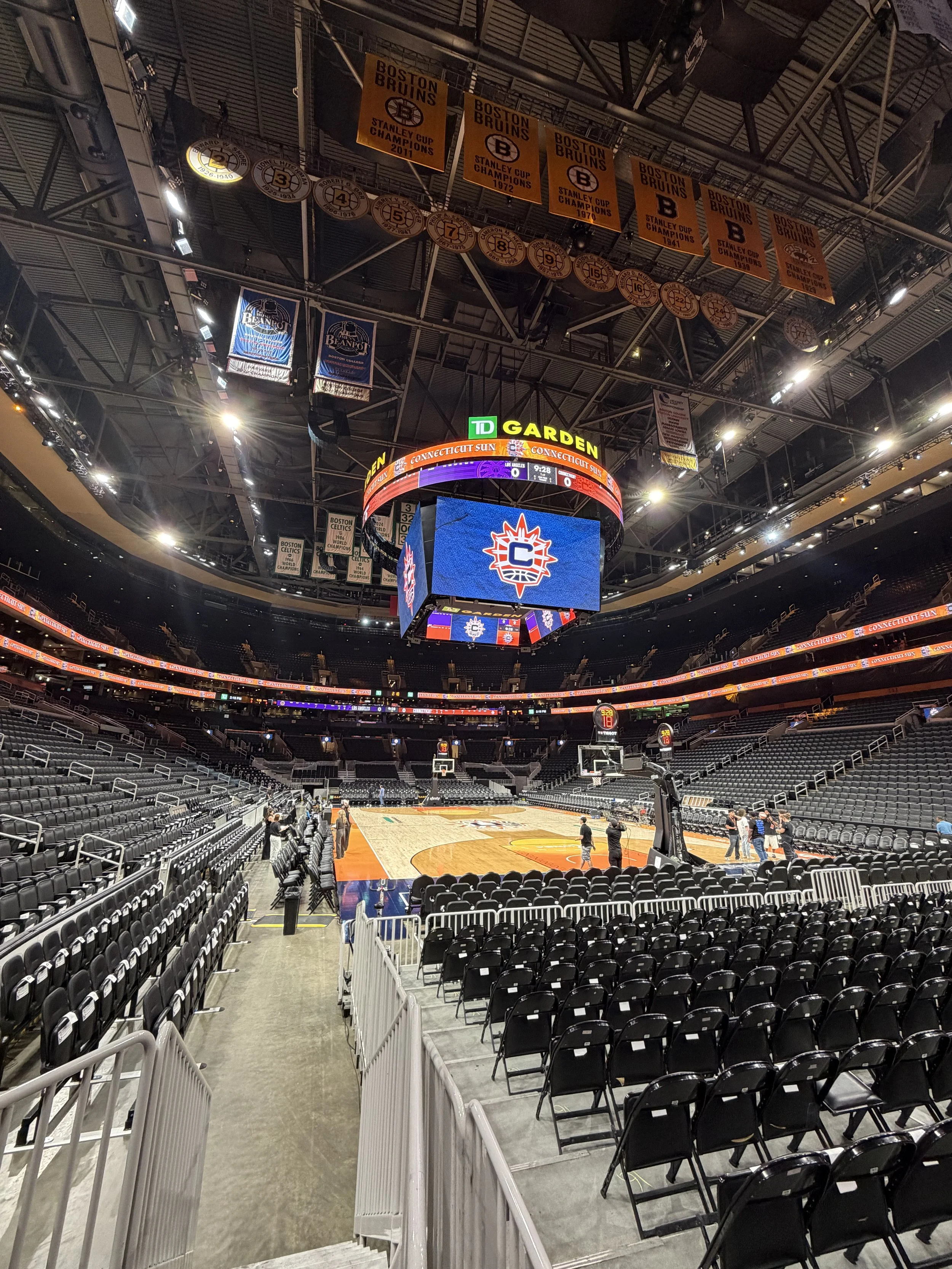
Design for the moments around the game
If I’m building an experiential strategy from scratch, the game itself is the last thing I’m planning around. In order:
1. Arrival and departure. The first ten minutes on the property and the last ten set the emotional tone for the whole night. Most teams do nothing with them.
2. The concourse and the wait. Fans spend more of the night in line than they’d admit. That’s captive, receptive time. It’s also where partners can actually deliver value instead of just visibility.
3. The off-season. Fandom decays in silence. The teams that win the long game find reasons to gather people during the dry days, and they don’t need a ball to do it.
4. Away from the arena entirely. Watch parties, community clinics, pop-ups in neighborhoods that don’t come downtown. The most valuable fans a team can create are the ones who felt included before they ever bought a ticket.
5. The game. By now it’s the payoff, not the pitch.
The partner conversation this changes
Sponsors are tired of buying signage, and they’re tired of being told “activation” when what they get is a tent. Experiential done right gives partners something they can’t buy on a media plan: a genuine role in the memory bank of fans.
That’s a different sale. It means asking a partner what they want a fan to feel about their brand, then designing a moment that earns that feeling, and then measuring it with something better than impressions: return visits, partner-attributed sign-ups, sentiment, renewals.
Which brings this back to the P&L. Experiential is one of the few marketing disciplines that touches ticketing, partnerships, merchandise, and retention at the same time. When it’s built around the whole journey instead of the game clock, it’s not just a additional cost. It becomes the most efficient revenue driver in the building.
The test
Walk your own venue on a game night as a fan, not as a marketer. Arrive early. Stand in the lines. Leave late.
Ask yourself one thing at every point: is anything happening here that someone would instantly tell a friend about or post about on social media?
If the answer is only yes during the game, you have a great product but no real experience.
Third in a series on marketing, brand, and the business of sports. Previously: why creative is a line item, and whether your brand is giving back to culture or taking from it. Next: how marketers and creatives should actually embrace AI.
// A Nine28 Publication